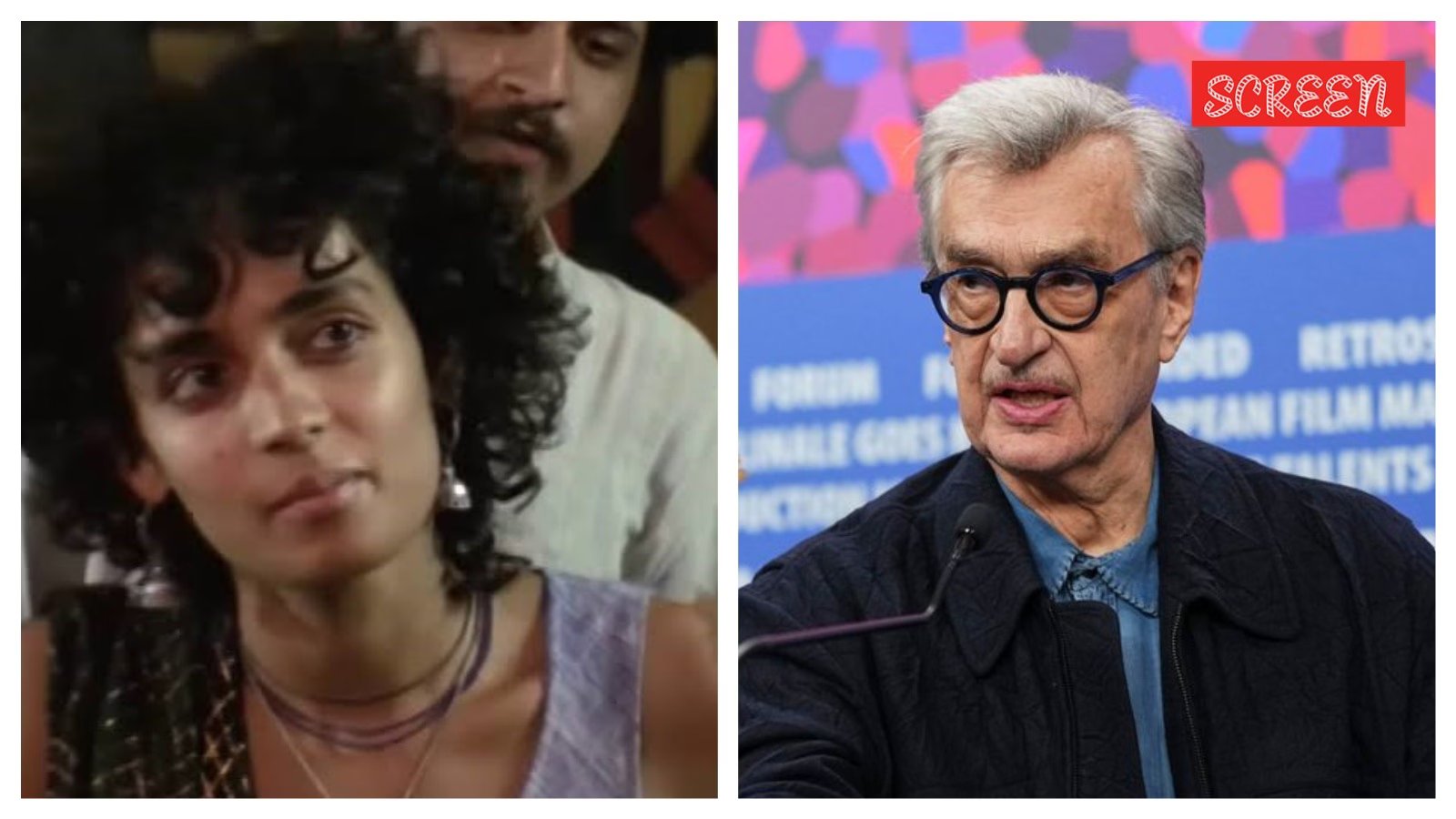
Booker Prize-winning Indian author Arundhati Roy’s 1989 English television film In Which Annie Gives It Those Ones has been restored in 4K by Shivendra Singh Dungarpur-led Film Heritage Foundation. The restored version of the film, which is also known for one of Shah Rukh Khan’s earliest onscreen appearances, had its world premiere at the Berlin Film Festival or the Berlinale this week. But Roy has decided to give it a miss.
Roy pulled out of the Berlinale hours after the Berlinale jury maintained an apolitical stance during a press conference at the film festival. Roy put out a statement which read, “This morning, like millions of people across the world, I heard the unconscionable statements made by members of the jury of the Berlin film festival when they were asked to comment about the genocide in Gaza.”

“To hear them say that art should not be political is jaw-dropping. It is a way of shutting down a conversation about a crime against humanity even as it unfolds before us in real time – when artists, writers and filmmakers should be doing everything in their power to stop it,” added Roy. She alleged that the Gaza genocide is funded by a host of first-world countries, including Germany, where the Berlinale is being held.
“Although I have been profoundly disturbed by the positions taken by the German government and various German cultural institutions on Palestine, I have always received political solidarity when I have spoken to German audiences about my views on the genocide in Gaza. This is what made it possible for me to think of attending the screening of Annie at the Berlinale,” argued Roy.
“If the greatest filmmakers and artists of our time cannot stand up and say so, they should know that history will judge them. I am shocked and disgusted,” she said, adding, “With deep regret, I must say that I will not be attending the Berlinale.” The Berlinale later issued a response to her absence and stated that they respect her decision. “We regret that we will not welcome her as her presence would have enriched the festival discourse,” they added.
No politics at Berlinale
The discourse began when the Berlinale jury was quizzed about the Gaza genocide at a press conference. Wim Wenders, the jury president and German filmmaker of Perfect Days (2023)-fame, responded, “We have to stay out of politics. If we make movies that are dedicatedly political, we enter the field of politics. But we are the counterweight to politics.”
Some defended Wenders, saying his remarks were taken out of context. In the press conference, he also spoke of how “movies can change the world” and of the power of films to “change the idea that people have of how they should live”. After backlash over his remarks, including Roy’s withdrawal, festival director Tricia Tuttle stepped in to defend the jury.
Story continues below this ad
In her statement, Tuttle thanked the filmmakers, juries, and others working at the festival for their “cool heads in hot times”. She emphasised that artists “are free to exercise their right of free speech in whatever way they choose” and should not “be expected to speak on every political issue raised to them unless they want to”.
Tuttle pointed out that this year’s offering includes “films about genocide, about sexual violence in war, about corruption, about patriarchal violence, about colonialism or abusive state power”, some of them from filmmakers who themselves have experienced persecution. “We do not believe there is a filmmaker screening in this festival who is indifferent to what is happening in this world, who does not take the rights, the lives and the immense suffering of people in Gaza and the West Bank, in the Democratic Republic of the Congo, in Sudan, in Iran, in Ukraine, in Minneapolis, and in a terrifying number of places, seriously,” Tuttle added.
American actor Neil Patrick Harris, best known for his role of playboy Barney Stinson in the seminal sitcom How I Met Your Mother, was present at the Berlinale for the premiere of his film Sunny Dancer. When quizzed at the press conference about whether films should be apolitical, Harris responded, “I think we live in a strangely algorithmic and divided world right now, and so as artists, I’m always interested in doing things that are apolitical.”
Backlash for Berlinale
More than 80 artists, including actors Javier Bardem, Tilda Swinton, and Mark Ruffalo, and directors Miguel Gomes and Adam McKay have signed an open letter to the Berlinale, condemning the festival’s “silence” on Gaza and for “censoring” those who have spoken out. The signatories said they fervently disagree with Wenders’ views on filmmaking and politics.
Story continues below this ad
“You cannot separate one from the other,” they said, pointing out how the tide was changing across the international film world as more than 5,000 film workers, including several major Hollywood names, have declared that they would not work with “complicit Israeli film companies and institutions”.
The open letter also said that Berlinale has made clear statements in the past about the atrocities in Iran and Ukraine. “We call on the Berlinale to fulfil its moral duty and clearly state its opposition to Israel’s genocide, crimes against humanity and war crimes against Palestinians, and completely end its involvement in shielding Israel from criticism and calls for accountability,” the letter concludes.
Even back home in India, a few lone voices condemned Berlinale for its apolitical stance. Screenwriter, lyricist, and stand-up comedian Varun Grover wrote on X, “‘Art should be apolitical’ because the white man doesn’t have the power over the world anymore. He fears that artists will document his crimes – from slavery to ongoing genocides – and he will be exposed. ‘Let’s keep cinema and politics separate’ comes across as an order but it’s a plea. The white man is scared.”