Marvel hasn’t peaked since the climax of its 2019 blockbuster, Russo Brothers’ Avengers: Endgame, when Robert Downey Jr’s Tony Stark aka Iron Man sacrifices his life to save the world from Josh Brolin’s unstoppable antagonist Thanos. It was also an emotional conclusion to an 11-year arc which started with Jon Favreau’s Iron Man in 2008.
Fans of Downey and Stark poured in heartwarming messages, signing them off with “Love you 3000,” the popular line that Stark says to his daughter Morgan before bidding her goodbye. If the fact that the beloved superhero died for the greater good wasn’t emotionally stirring enough, he also had to be a father. Because fatherhood strikes the chords that saviour/superhero complex can’t. It’s no surprise then that in order to recreate the same magic after seven years, Marvel roped back in not only Downey and Russo Brothers, but also the motif of fatherhood.

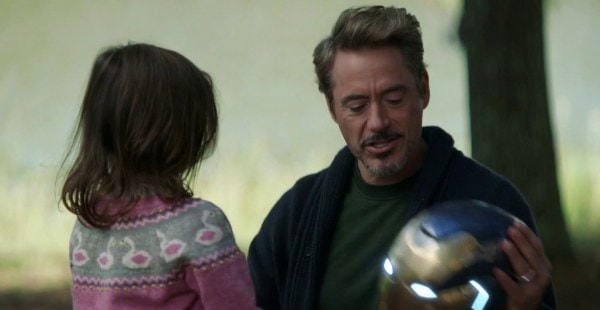 Morgan and Tony Stark in Avengers: Endgame.
First seed of fatherhood in The Fantastic Four
The first seed was sown with Matt Shakman’s The Fantastic Four: The First Steps earlier this year. The film majorly revolved around the conflict between Mister Fantastic (Pedro Pascal) and Sue Storm’s (Vanessa Kirby) desperate urge to become parents to baby Franklin and their duties towards saving the world. They weren’t superheroes willing to give up anything and everything to avoid catastrophe. They weighed their personal roles as parents and their professional roles as superheroes, pitting their family against the rest of the world.
In the end credits of the film, Avengers: Doomsday’s chief antagonist Doctor Doom makes his first appearance in the Marvel Cinematic Universe, holding Franklin in his arms, much to the horror of Sue. We don’t know his motive yet, but Doom surely seems very invested in Sue and Richard Reeds’ baby boy. He’s known to have an arch rivalry with Richards aka Mister Fantastic as per Marvel Comics.
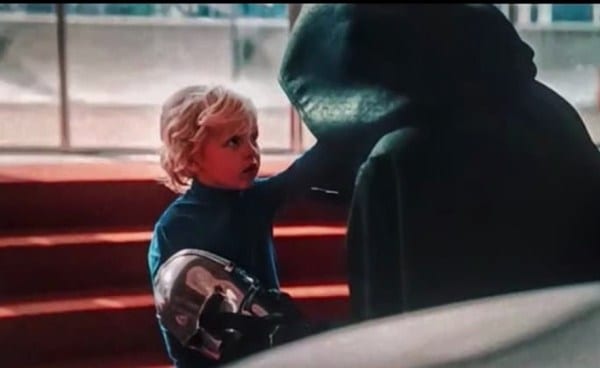 Franklin Richards and Doctor Doom in The Fantastic Four: The First Steps.
Avengers: Doomsday teasers scream fatherhood
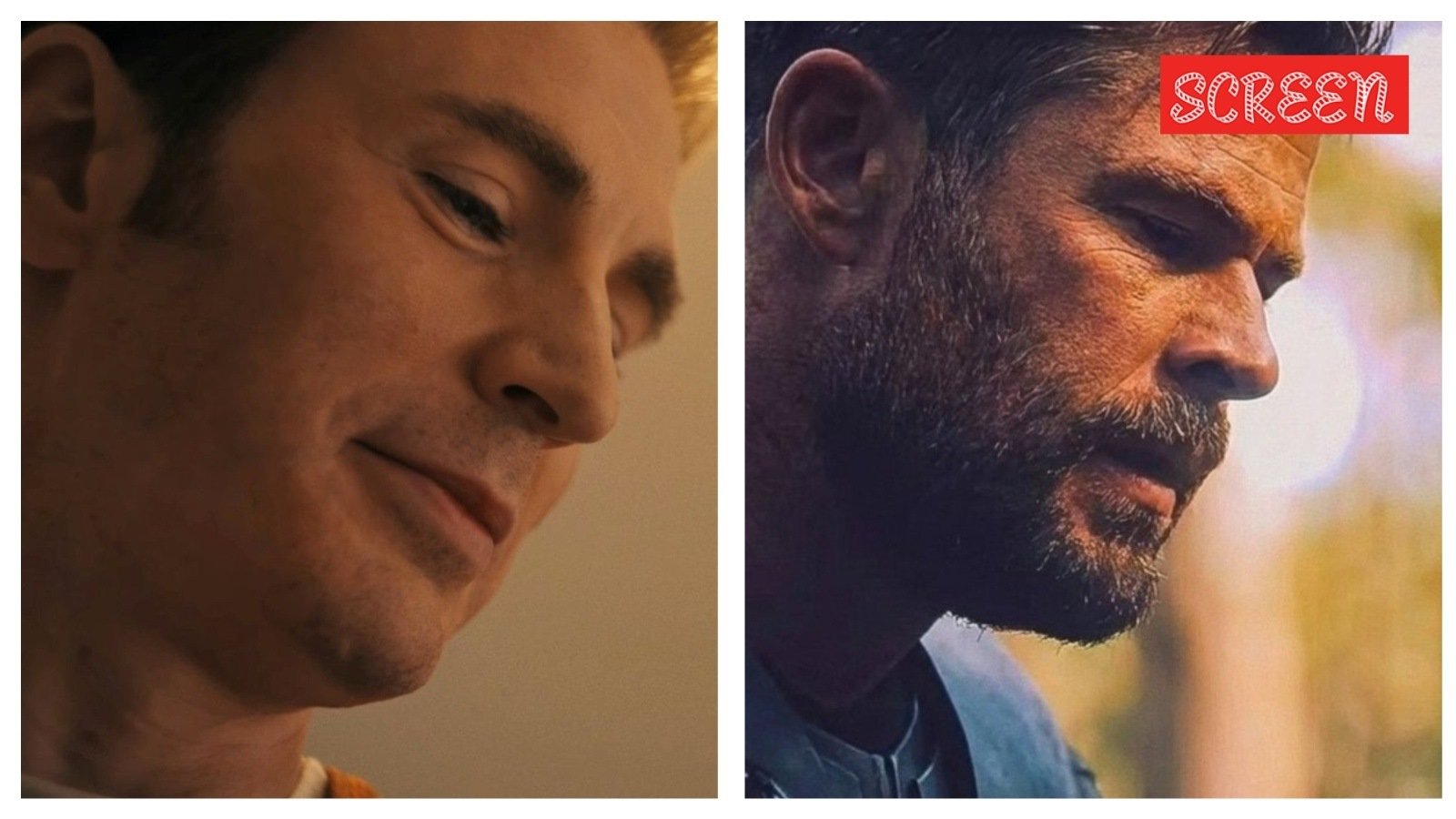
Even the teasers of Avengers: Doomsday that Marvel has been releasing this month all have a thread of fatherhood running through them. The first teaser hints at the return of Chris Evans’ Steve Rogers aka Captain America, six years after he passed on his shield to Anthony Mackie’s Sam Wilson and opted to stay back in the past to become a family man instead of a superhero. The teaser is a progression on that front as it shows him as a father, holding a baby in his arms.
In the second teaser, Thor prays to his late father Odin (Anthony Hopkins) and vows to protect his daughter Love (played by Hemsworth’s real-life daughter India). “Lend me the strength of the All-Fathers so that I may fight once more, defeat one more enemy, and return home to her. Not as a warrior, but as warmth. To teach her not to battle, but stillness. The kind I never knew,” says Thor in the teaser.
Even the third teaser, leaked online, which marks the return of X-Men to the MCU, has a fatherhood connection. The focus shifts from Hugh Jackman’s Wolverine aka Logan to James Marsden’s Scot Summers aka Cyclops, who unleashes a powerful blast from his eyes. The theory doing the rounds online suggests that it lends itself well to the storyline where Scott and Jean’s son Nathan is kidnapped, leaving Scott anguished and destructive.
Story continues below this ad
What all this may lead to
Since the Avengers: Doomsday follow up has been titled Avengers: Secret Wars, it’s safe to assume that all these events may lead up to and converge in the Secret Wars 2015 storyline. As per that track, Doctor Doom assumes that Richard Reeds and Sue Storm’s daughter Valeria is his own. Having lost his father in childhood and his mother to the demonic realm of Mephisto, he craves for family. So, he uses his powers to alter reality and hopes to lead a normal family life with Valeria as his daughter. In other words, he pulls off a WandaVision. That is likely to create incursions in the timelines of the MCU, jeopardizing the future of the universe, and thus putting the next generation of Avengers in danger. Losing their kids is a good enough motivation for Avengers like Steve Rogers and Thor to strike back and team up again.
But if viewed at a strategic level, this could be Marvel’s desperate attempt to go back to what worked for them in Phase 3 of the MCU. After Stark’s death, Marvel toyed with envisioning a more diverse cinematic universe, launching a Black Captain America, an Asian superhero in Shang-Chi, passing on Chadwick Boseman’s Black Panther mantle to his sister Shuri, and roping in Black writer Beau DeMayo to develop the animated series X-Men ’97. But now, as Beau pointed out on X, Marvel has sidelined their diversity narrative (which also includes firing DeMayo). Reflecting an America that refuses to change either, Marvel seems to embrace what worked wonders for it once, and is likely to repeat history — the white father complex.