Serious problems highlighted by EFSA’s scientific opinion on the welfare of turkey

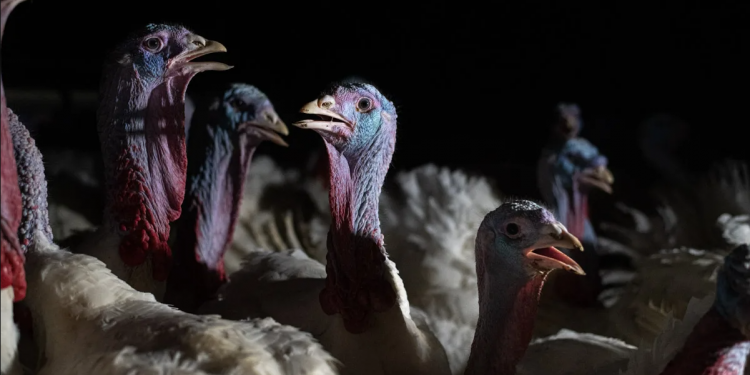
Over 240 million turkeys increased by the EU every year, yet until now, their welfare needs have been neglected in policy. The new scientific opinion through EFSA highlights why this situation urgently needs to be addressed, and in its 300-page evaluation, identifies some systemic risks to well-being.
Widespread welfare problems highlighted by turkey production in the EU
In scientific opinion, EFSA assessed 19 welfare outcomes and their animal-based measures, focusing on litter quality, enrichment, outdoor access, space allowance, air quality, temperature, lighting, and hatching conditions, as well as practices such as flock thinning, cutting, artificial insemination, and restricted feeding.
Opinion found serious, recurring well-being problems of turkey housing systems, including:
- Too much wet littercauses issues such as lameness, soft tissue injuries and respiratory disorders;
- Lack of meaningful development activities to keep the turkeys engaged and motivated, which leads to group stress, locomotor disorders, etc.;
- Insufficient space allowancesmeaning they cannot use natural behaviors such as dust bathing and wing flight;
- Suboptimal temperaturesresulting in cold stress in chickens and heat stress in older birds;
- Poor lighting conditions which disrupts circadian rhythms, induces sensory overstimulation, and more.
They also promote high-risk hatching conditionsincluding prolonged lack of feed/water after hatching, excessive noise, and inadequate light cycles, cause many welfare damages such as umbilical cord diseases and locomotor problems.
Routine trimming, such as beak clipping, toe clipping and desnooding (the removal of the fleshy appendage from the turkey’s forehead) was noted. EFSA concluded these procedures cause acute and chronic paindisrupts natural behaviors, and leads to movement problems and thermoregulation challenges.
Harmful practices must be stopped, EFSA says
Addressing the issues identified, EFSA made several strong recommendations to improve the way turkeys are raised, including:
- Elimination of mutilationsbecause of the pain and discomfort they cause;
- Improving the capacity for development and free movement in housing systems, such as the installation of ramps, straw bales, manipulable foraging materials, dust baths, visual barriers, and outdoor access or covered verandas;
- Solving the wet waste issue by maintaining dry, crumbly waste in housing systems, through interventions such as better ventilation and more careful selection of bedding materials;
- Ensure that chickens receive feed and water within 48 hours of hatchingreduced risks associated with lack of food and water after hatching;
- Optimizing lighting in turkey houses and implementing stronger light-dark cycles, helping turkeys rest more effectively and reducing aggression and stress within the flock;
- Apply strict management standards during the capture, artificial insemination and hatching procedures, to ensure that the welfare of the turkeys is not compromised by any process that needs to be handled physically.
EU legislation needs to be updated to match the latest turkey welfare science
As such, turkeys are only protected under the general Farm Animals Directive 98/58/EC, which lacks specific requirements. EFSA’s findings highlight the need for dedicated EU legislation on turkey welfare, with clear, enforceable standards.